Whip & Paddle Care: Cleaning, Materials, Storage & Lifespan
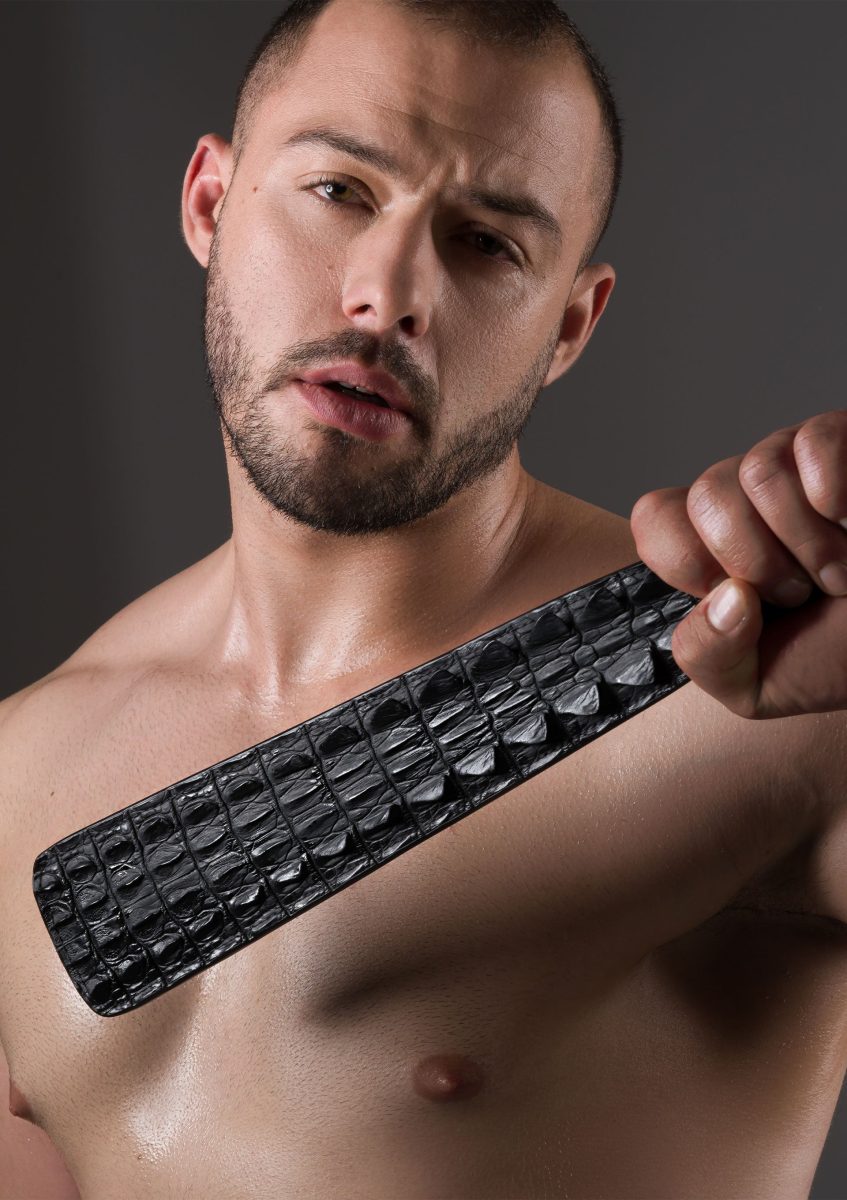
Clean whips and spankers after every use with a method that suits the material. Then let them dry completely and store them away from heat, sunlight and moisture. Leather needs a gentle wipe and occasional conditioning. Silicone, rubber and sealed wood can be washed more thoroughly. Check every piece before each session so it stays safe and comfortable for years.
This guide covers paddles, floggers, crops, canes and feather ticklers. You will find cleaning steps for each material, a quick reference table, storage advice and the warning signs that a toy should be retired.
Why care matters for impact toys
Whips and paddles touch the skin directly. Many are made of porous or natural materials that react to sweat, body oils, lotions and humidity. Good care helps you:
- Keep things hygienic. Residue left on the surface builds up over time.
- Protect the feel. Dried-out leather turns stiff and scratchy. Well-kept leather stays soft and predictable.
- Stay safe. Cracks, splinters, loose stitching and wobbly handles are much easier to catch on a clean toy.
- Make it last. A quality paddle or whip is an investment, and basic maintenance can stretch its life considerably.
Know your material first
Check the product label or description before you clean anything. A method that is perfect for silicone can ruin leather or feathers.
| Material | Cleaning | Drying | Storage | Typical lifespan with good care |
|---|---|---|---|---|
| Genuine leather | Damp cloth with mild soap or leather cleaner; never soak | Air-dry at room temperature | Hang or lay flat in a breathable bag | Many years; condition every few months |
| Faux leather (PU, vinyl) | Damp cloth with mild soap; toy cleaner | Wipe dry, then air-dry | Flat, away from heat | A few years; surface may eventually peel |
| Silicone / rubber | Warm water and mild soap | Pat dry with a lint-free towel | Separately, not touching other toys | Long, if not torn or sticky |
| Sealed wood | Damp cloth with mild soap; no soaking | Air-dry fully | Dry spot, stable temperature | Long, until the finish wears or cracks |
| Rattan / bamboo cane | Damp cloth only | Air-dry, away from heaters | Lying flat or hanging straight | Varies; replace at the first split |
| Feathers / fabric | Gentle shake; spot-clean handle only | Air-dry | Dust-free box or bag | Shorter; feathers shed naturally |
Cleaning step by step
Leather (genuine and faux)
Leather paddles such as the Croc-Embossed Paddle need gentle handling, because textured surfaces can trap residue.
- Wipe away surface dust with a soft, dry cloth.
- Dampen a second cloth with lukewarm water and a drop of mild, fragrance-free soap or a dedicated leather cleaner.
- Wipe the whole surface and the handle, following the grain or pattern.
- Wipe again with a cloth dampened in clean water only.
- Let it air-dry at room temperature. Never use a hairdryer or radiator.
- Every few months, or whenever the leather looks dull or feels stiff, apply a thin layer of leather conditioner to genuine leather. Buff off the excess.
Faux leather does not need conditioner. Mild soap and thorough drying are enough.
Silicone and rubber
Non-porous silicone is the easiest material to keep clean. Wash it with warm water and mild soap, rinse, and pat dry with a lint-free towel. A toy cleaner labelled as safe for silicone also works. Avoid alcohol-heavy products, which can dry out some rubbers.
Wood, bamboo and rattan
Canes such as the Obedience Cane and wooden paddles do not tolerate soaking. Water can raise the grain, cause warping or lead to cracks.
- Wipe with a cloth dampened in water and a little mild soap.
- Wipe once more with a cloth dampened in clean water, then dry right away with a towel.
- Let it air-dry fully before storing.
- Run your fingers gently along the length to feel for splinters or fibres lifting.
Feathers and fabric
Feather ticklers like the Double Feather Tickler should never get wet.
- Shake them gently outdoors or over a sink to remove dust.
- Spot-clean only the handle with a damp cloth.
- Treat feathers as personal items rather than shared ones, because they cannot be sanitised thoroughly.
Metal hardware and handles
Many whips, including models like the Performance Whip, have metal caps, rings or wrapped handles.
- Wipe metal parts dry after cleaning to prevent tarnish or corrosion.
- Check that caps and rings are firmly attached.
- Clean wrapped grips with a barely damp cloth so moisture does not soak into the core.
What to avoid
- Dishwashers, washing machines and boiling water, for any impact toy.
- Soaking leather, wood, cane or feathers.
- Harsh household cleaners, bleach or solvents.
- Oil-based lotions or massage oils left on leather, which can stain and weaken it.
- Drying on heaters, in direct sunlight or with a hairdryer.
- Storing a toy while it is still damp. This is the most common cause of mould and odour.
Storage: keep shape, keep clean
Good storage prevents most damage before it starts.
- Hang floggers and whips by their wrist loop or handle so the tails or lash hang straight and do not kink.
- Store paddles flat, for example the Dirty Footprint Paddle, so nothing presses on the surface and leaves marks.
- Keep canes straight, lying flat or hanging, to prevent bowing.
- Use breathable bags made of cotton or linen for leather and wood. Plastic traps moisture.
- Separate materials. Silicone and some rubbers can react when stored touching each other, and dyed leather can transfer colour.
- Choose a cool, dry, dark place with a stable temperature, away from bathrooms and windows.
If you also own restraints such as handcuffs, give them their own pouch so buckles and chains cannot scratch leather surfaces.
Inspection and lifespan: when to replace
Make a quick check before every session. Retire or repair a toy if you notice any of the following:
- Cracks, splits or splinters in wood, bamboo or rattan.
- Leather that is cracked, peeling, permanently stiff or has rough edges.
- Loose stitching, frayed tails or a loosening handle wrap.
- Silicone or rubber that has turned sticky, torn or deformed.
- Mould, persistent odour or stains that will not come off.
- Feathers that are shedding heavily or broken at the quill.
A damaged impact toy behaves less predictably, so replacing it is the safer choice.
Hygiene and sharing
Ideally, each person has their own toys, especially porous ones like leather, wood and feathers. If you do share, clean the toy thoroughly between partners and use only non-porous items for that purpose. Stop using a toy straight away if the skin is broken, and clean it carefully before its next use. If you notice skin irritation, an unusual reaction or an injury that does not heal, please consult a doctor.
After a session, many people like to switch to something soothing. Gentle tools from our massagers category are a popular choice for aftercare.
Frequently asked questions
How often should I clean my whip or paddle?
Clean it after every use. Also give it a quick dust-off before use if it has been stored for a while.
Can I use toy cleaner on leather?
Only if the label says it is suitable for leather. Otherwise, use mild soap on a damp cloth or a dedicated leather cleaner, then condition genuine leather occasionally.
How do I get rid of an odour on a leather flogger?
Clean it gently and let it air out fully in a well-ventilated room. If the odour persists or you see mould, it is safer to replace the toy.
Can I wash a feather tickler?
No. Shake the feathers gently and spot-clean only the handle. Feathers are best kept as personal items.
How long do whips and spankers last?
It depends on the material and on how well you care for it. Silicone and well-conditioned genuine leather can last many years. Feathers and canes usually need replacing sooner.
Find your next well-made impact toy
Quality materials are easier to care for and last longer. Browse our full range of whips and spankers, from beginner-friendly feather ticklers to leather paddles and canes, and choose a piece that suits your style and your care routine.